
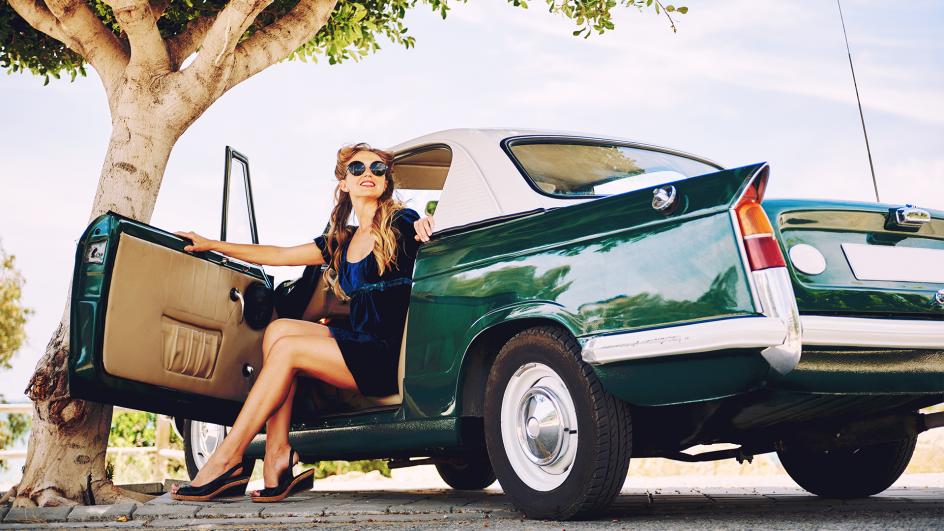
The global financial landscape features a variety of traditional and alternative asset classes, yet few have captured the imagination and capital of modern investors quite like classic vehicles. Over the past decade, and accelerating dramatically in recent years, vintage automobiles have transitioned from a niche hobby pursued by dedicated gearheads into a high-performing alternative investment sector. Blue-chip classic cars are no longer just historical artifacts kept in residential garages; they are treated as fine art, commanding record-breaking sums at elite auction houses worldwide.
This unprecedented rise in valuation is not an accidental spike or a temporary market anomaly. Instead, it represents a perfect storm of shifting investor demographics, macroeconomic forces, technological evolution, and an impending cultural farewell to the internal combustion engine. Understanding why classic vehicles are commanding premium prices requires analyzing the psychological, economic, and practical factors driving this collectible boom.
The Supply Constraint: Absolute Physical Rarity
At the foundation of any high-performing asset class is the economic principle of scarcity. Unlike contemporary luxury vehicles, which can be manufactured continuously to meet consumer demand, the supply of classic vehicles is permanently fixed and constantly declining.
-
Attrition and Decay: Time is the enemy of mechanical machinery. Over the decades, countless vintage automobiles have been lost to rust, collisions, neglect, and improper modifications. Every vehicle that falls out of circulation increases the rarity and value of the surviving examples.
-
Survival Rates of Performance Models: Historically, high-performance sports cars and racing variants were driven hard, resulting in high failure rates. Consequently, factory-original examples with matching numbers, meaning the chassis, engine, and transmission serial codes match factory build sheets, are remarkably scarce.
-
The Impossibility of Reproduction: While manufacturers or aftermarket companies can build replicas, the market distinguishes sharply between an authentic, historically verified vehicle and a modern recreation. True valuation rests heavily on historical provenance and documented authenticity.
This fixed supply meets an expanding global pool of affluent buyers, ensuring that when an exceptionally rare vehicle enters the market, competition is fierce, driving final hammer prices to historic heights.
Macroeconomic Shifts and Tangible Wealth Preservation
The rapid appreciation of classic vehicle values is closely tied to broader macroeconomic trends. During periods of economic uncertainty, inflation, and market volatility, institutional and private investors often reallocate capital away from speculative digital or paper assets and toward tangible, physical alternatives.
Classic cars function effectively as a store of value because they represent a physical asset with intrinsic worth. Unlike stocks or fiat currency, which can lose value due to policy shifts or corporate mismanagement, a physical automobile retains value based on its materials, engineering history, and cultural significance.
Furthermore, the globalization of wealth has introduced a massive cohort of international buyers to the market. High-net-worth individuals from emerging economies view classic cars as prestigious status symbols and sophisticated portfolio diversifiers. This influx of capital has transformed regional collecting scenes into a unified, high-liquidity global market.
The Gen-X and Millennial Generational Handover
A powerful engine behind the recent market surge is a fundamental demographic shift among buyers. The nostalgic preference of the dominant purchasing demographic dictates classic car trends. For decades, the market was dominated by pre-war classics and post-war American muscle cars favored by Baby Boomers. Today, Generation X and older Millennials have entered their peak earning years, completely reshaping market preferences.
This generational shift has sparked an intense valuation surge for vehicles from the 1980s, 1990s, and early 2000s, often referred to as youngtimers or modern classics. Vehicles like the air-cooled Porsche 911 variants, early Japanese supercar icons, and analog European sports sedans have skyrocketed in price.
The drivers buying these cars are motivated by childhood nostalgia. They are finally in a position to purchase the vehicles that were pinned to their bedroom walls as posters or featured in early racing video games. Because these buyers prioritize usability and performance over purely static displays, vehicles that offer an engaging, visceral driving experience are seeing the most dramatic financial gains.
The Digital Transformation of the Collectible Marketplace
Historically, buying a classic car was a localized, high-friction endeavor. Buyers were limited to local classified advertisements, specialized enthusiast magazines, or expensive physical auctions that required travel and transportation logistics. This lack of transparency kept prices relatively insulated and suppressed overall transaction volumes.
The digital revolution completely dismantled these barriers, introducing unprecedented transparency and accessibility to the marketplace.
Online Auction Ecosystems
The rise of dedicated, curated online auction platforms has democratized the classic car market. These websites feature hundreds of high-resolution photographs, comprehensive mechanical videos, paint-meter readings, and transparent comment sections where community experts scrutinize every listing. This wealth of information reduces the risk for remote buyers, allowing an investor in Tokyo to confidently bid against a collector in Miami.
Globalized Logistics Networks
Specialized international shipping companies and digital escrow services have made cross-border vehicle transactions routine. A rare vehicle can be purchased online and delivered securely across continents within weeks, effectively merging isolated regional markets into a single, highly efficient global exchange.
The Electric Transition and the Valuation of the Analog Experience
The automotive industry is committed to a massive transition toward electrification, autonomous driving systems, and software-defined platforms. While these advancements offer undeniable environmental and safety benefits, they are inadvertently driving up the value of traditional mechanical vehicles.
Modern automobiles are increasingly criticized by enthusiasts for feeling disconnected, heavy, and overly reliant on digital driver aids. In contrast, classic vehicles offer an uncompromising analog experience. The mechanical feedback of a manual steering rack, the unassisted engagement of a clutch pedal, and the raw acoustic profile of a naturally aspirated internal combustion engine are experiences that modern vehicles cannot replicate.
As governments implement future bans on the sale of new internal combustion vehicles, collectors view classic cars as the definitive high points of mechanical engineering. Buying a classic car is increasingly seen as preserving a piece of industrial art before it is permanently phased out by the era of digital mobility.
Frequently Asked Questions
What does the term matching numbers mean and why is it critical for valuation?
Matching numbers indicates that the major mechanical components, such as the engine block, transmission, and chassis, retain the exact serial numbers stamped by the factory during original production. Verification of matching numbers proves that a vehicle has not been assembled from disparate parts over its lifetime, preserving its historical integrity and commanding a premium value of thirty percent or more over non-matching examples.
How do ongoing maintenance and storage requirements affect the net return on a classic vehicle investment?
Unlike stocks or precious metals, classic cars require ongoing capital expenditure to retain their value. Owners must invest in climate-controlled storage to prevent rust and degradation, perform regular mechanical exercises to keep seals from drying out, and purchase specialized collector insurance. These carry costs must be factored into any investment calculation, as they can erode net returns if a vehicle does not appreciate rapidly enough.
Are modified classic vehicles valued higher than completely original factory configurations?
In the elite investment tier, absolute factory originality is almost always valued higher than modification. Restomodding, which involves installing modern engines and suspensions into classic bodies, has a dedicated market, but these vehicles rarely achieve the record-breaking valuations of perfectly preserved, unmodified survivors with original factory paint and interior materials.
How can a buyer verify the historical provenance of a high-value vintage car?
Provenance is verified through a combination of physical documentation, factory build sheets, historical racing logs, owner registries, and certificates of authenticity issued by the manufacturer’s heritage department. For exceptionally high-value transactions, buyers routinely hire independent marque specialists to conduct forensic inspections of metal stampings, casting codes, and historical paperwork.
What role does cosmetic condition play when comparing a restored car to an original survivor?
The collector market has experienced a significant shift toward valuing original condition survivors over pristine restorations. A vehicle can be restored multiple times, but it is only original once. A classic car featuring faded original paint, minor tears in factory leather, and authentic wear can command a higher price than a flawlessly restored counterpart because of its historical honesty.
How do changing emissions regulations and potential future fuel restrictions affect classic car values?
While future environmental regulations target new vehicle manufacturing, most jurisdictions offer special registration exemptions for historic and classic vehicles due to their limited usage. Furthermore, the development of synthetic, carbon-neutral drop-in fuels ensures that even if traditional petroleum is phased out, classic internal combustion engines can be operated safely and legally by collectors well into the future.
