
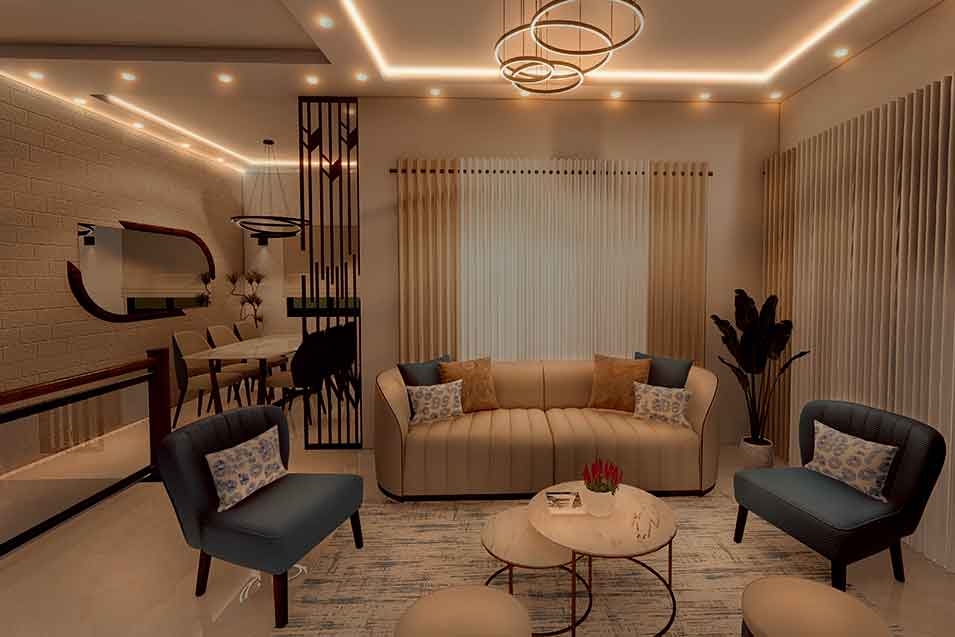
Interior design often focuses on tangible elements. People spend months choosing the perfect sectional sofa, debating paint swatches, and sourcing hardwood flooring. Yet, one of the most powerful design tools in any space remains completely invisible until you turn it on. Lighting dictates exactly how a room feels, how large it looks, and how people behave within its boundaries.
The psychology of a space is intimately tied to its illumination. A room with beautiful architecture and high-end furniture can feel cold, clinical, or uninviting if the lighting is too harsh or poorly positioned. Conversely, a modest, simply decorated room can be transformed into a cozy sanctuary or a high-energy workspace through the strategic application of different lighting types. Understanding how to manipulate light allows you to control the emotional narrative of your home.
The Three Fundamental Layers of Lighting
To understand how lighting alters human emotion, you must first understand how to build a lighting scheme. Professional interior designers never rely on a single overhead fixture to illuminate a room. Instead, they layer light using three distinct categories to create depth, visual interest, and behavioral cues.
Ambient Lighting
Ambient lighting serves as the foundation of a room illumination plan. It provides the general overhead light required to navigate a space safely and perform basic tasks. Common sources include recessed ceiling cans, flush mount fixtures, or large central chandeliers.
When ambient lighting is the only light source in a room, it tends to flatten the space, erasing shadows and architectural nuances. If it is too bright, it creates a sterile, institutional atmosphere reminiscent of a hospital or an office cubicle. When dimmed properly and paired with other layers, however, it establishes a smooth, baseline warmth that makes a room feel secure and grounded.
Task Lighting
Task lighting is highly localized and directional, designed to assist you in performing specific activities that require mental focus or physical precision. Examples include adjustable desk lamps in a home office, under-cabinet LED strips in a kitchen, or a sleek swing-arm floor lamp next to a reading chair.
The presence of task lighting completely shifts the functional mood of a zone. By casting a bright, concentrated beam directly onto a work surface, it signals to the brain that it is time to focus and be productive. Psychologically, good task lighting prevents eye strain, reducing the subconscious fatigue and irritability that often occur when working in a poorly lit environment.
Accent Lighting
Accent lighting is purely dramatic and emotional. It is used to draw the eye toward specific focal points, such as artwork, architectural columns, fireplaces, or bookshelves. This is achieved through track lighting, picture lights, or hidden LED tape that washes a wall with a soft glow.
By creating a stark contrast between light and shadow, accent lighting adds a sense of mystery, luxury, and sophistication to a room. It guides a guest eyes through the space, highlighting the elements you want them to notice while allowing less attractive areas to recede into the shadows. It turns an ordinary room into a curated gallery experience.
The Power of Color Temperature
The physical properties of a light bulb have a massive biological impact on the human body. Light bulb color temperature is measured on the Kelvin scale, which typically ranges from two thousand Kelvin to six thousand Kelvin for residential use. Choosing the wrong color temperature can completely ruin the intended mood of an otherwise well-designed room.
Warm Light and Relaxation
Bulbs that fall between two thousand and three thousand Kelvin emit a soft, amber-toned glow that mimics the appearance of candlelight or a setting sun. This range of light suppresses the production of daytime hormones and encourages the release of melatonin, signaling to the human nervous system that it is safe to unwind.
Utilizing warm light in bedrooms, living rooms, and dining areas instantly creates an atmosphere of intimacy, comfort, and relaxation. It softens facial features, makes textiles look richer, and invites people to sit down, converse, and linger. It turns a house into a sanctuary away from the demanding outside world.
Cool Light and Alertness
As you move up the Kelvin scale into the four thousand to six thousand range, the light shifts from a soft yellow to a crisp, blue-tinted white that mimics midday sunlight. This clear, bright illumination suppresses melatonin production, boosts cortisol, and increases heart rate and cognitive alertness.
Cool light is ideal for spaces where safety, cleanliness, and high energy are paramount. In a home gym, a garage workshop, or a busy kitchen, cool lighting establishes an atmosphere of efficiency and vitality. However, utilizing this temperature in a bedroom or living space during the evening hours disrupts sleep cycles and creates an anxious, restless mood.
Directionality and Shadow Play
Where light originates within a room alters the perception of space just as much as color temperature. The angle of a light beam determines the types of shadows created, and shadows are what give a room its three-dimensional character.
Downlighting versus Uplighting
Most standard homes rely heavily on downlighting, where fixtures point directly toward the floor. While practical, excessive downlighting casts heavy shadows under the eyes, nose, and chin of people in the room, which can make occupants look tired and feel self-conscious. It also leaves the upper corners of the ceiling dark, which can make a room with low ceilings feel cramped and oppressive.
Uplighting, which achieved by placing fixtures like floor cans or torchiere lamps low to the ground and directing the light upward, creates an entirely different emotional response. It bounces light off the ceiling, creating a soft, indirect glow that visually lifts the room height. This technique introduces a theatrical, calming, and ethereal mood, making the boundaries of the room feel wider and more expansive.
Matching Lighting to Room Functionality
Every room in a home serves a distinct purpose, and the lighting must pivot to support that specific lifestyle demand.
-
The Living Room: This space demands maximum flexibility. It is used for hosting lively parties, watching movies, reading, and relaxing. To accommodate these shifting moods, a living room requires a robust mix of ambient dimmers, warm table lamps, and accent lighting on shelving to transition effortlessly from bright and social to dim and cinematic.
-
The Kitchen: Often called the heart of the home, the kitchen is a high-risk work zone that transitions into a social gathering space. It needs bright, cool-toned task lighting over countertops and islands to ensure safe food preparation, paired with dimmable, warmer pendant lights that can be adjusted to create an inviting dining ambiance once the cooking is done.
-
The Bedroom: A bedroom should be an absolute haven for rest. Avoid harsh overhead downlights entirely. Instead, rely on low-wattage, warm bedside lamps and under-bed motion-activated nightlights. This low-level lighting setup promotes healthy sleep hygiene and builds a serene, deeply private atmosphere.
FAQ
What is the easiest way to change the lighting mood of a room without rewiring?
The fastest and most cost-effective method is to install smart LED bulbs into your existing lamps and overhead fixtures. Smart bulbs allow you to alter both the brightness and the color temperature of your lighting through a smartphone application or voice commands. This means you can change a room from a bright, cool-white workspace during the day into a dim, warm-amber relaxation space at night without changing a single physical fixture.
Why does my paint color look completely different at night than it does during the day?
Paint colors do not exist in a vacuum; they are a direct reflection of the light hitting them. Natural daylight is full-spectrum and changes from cool in the morning to warm in the late afternoon. At night, your artificial light bulbs take over completely. If you use a warm-white bulb, it will emphasize the yellow and red undertones in your paint, making a neutral gray look beige or green. Cool bulbs will bring out blue and blue-gray undertones.
How do dimmers contribute to changing the mood of a space?
Dimmers provide absolute control over the intensity of light, allowing you to manually shift a room energy level. High brightness levels stimulate active behavior and conversation, while lowering the brightness instantly reduces sensory stimulation, telling the brain to calm down. Dimmers allow a multi-purpose room to alter its psychological identity instantly based on the time of day.
What is the Color Rendering Index and why should I care about it?
The Color Rendering Index, or CRI, measures how accurately a light source reveals the true colors of objects compared to natural sunlight. It is rated on a scale up to one hundred. Bulbs with a low CRI rating make colors look muddy, washed out, or distorted, which can subconsciously make a room feel cheap or unsettling. For residential spaces, choosing bulbs with a CRI of ninety or higher ensures that your decor, furniture, and food look vibrant and natural.
How can I use lighting to make a very small room feel larger?
To make a small room feel spacious, eliminate dark corners where the eyes naturally stop tracking. Use vertical wall sconces or uplighting to direct light toward the ceiling and wash the walls with light. Bouncing light off vertical surfaces pushes the visual boundaries of the room outward. Additionally, utilizing track lighting to illuminate long walls creates an illusion of depth and length.
Is it a bad idea to use only one light source in a home office?
Yes, relying solely on a single light source, like a bright overhead fixture or just the glow of a computer monitor, leads to severe eye fatigue and headaches. A dedicated workspace needs a balanced combination of ambient light to keep the room bright, task lighting focused on paperwork to prevent straining, and subtle background lighting behind the computer monitor to reduce the harsh contrast between the screen and the dark room.
How does the placement of a lamp affect the mood of a seating area?
The height and placement of a lamp dictate how intimate a conversation space feels. If a table lamp is placed too high, the bare bulb will shine directly into people eyes, causing discomfort. When placed at eye level while seated, the lampshade directs the light downward onto the surfaces and laps of the guests, creating an intimate, warm cocoon of light that naturally encourages personal sharing and storytelling.
