
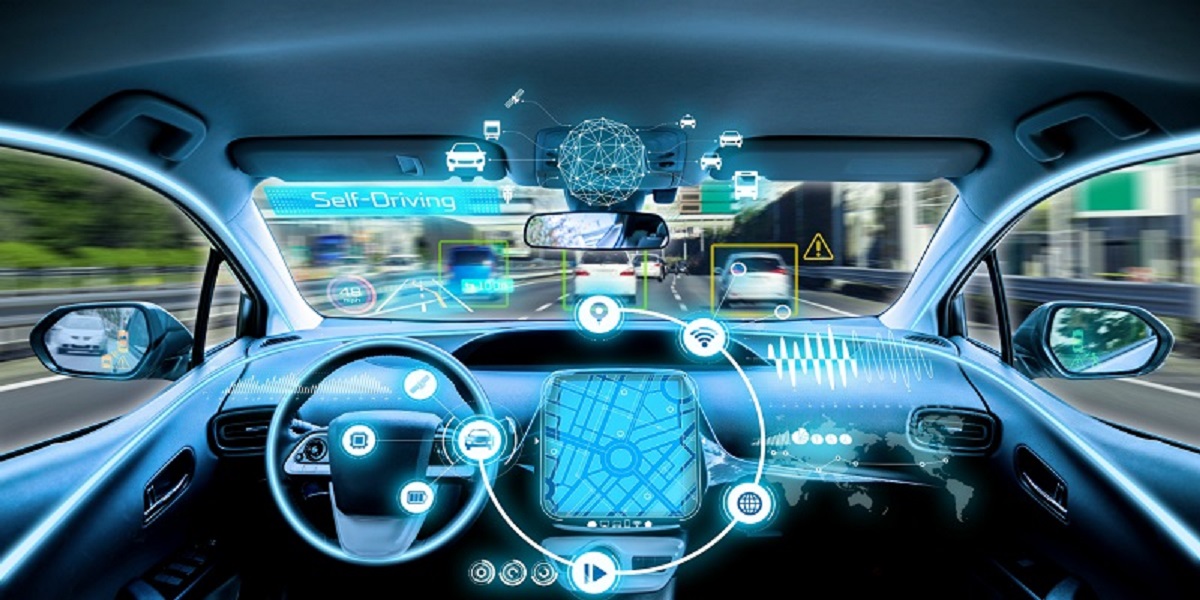
The automotive industry is undergoing its most significant transformation since the invention of the assembly line. The modern automobile is no longer just a mechanical machine with electrical components; it has evolved into a highly sophisticated, data-rich computing platform on wheels. At the center of this evolution is the Internet of Things (IoT). By embedding sensors, advanced computing modules, and high-speed communication arrays into vehicles, the automotive sector is pioneering a new era of connected mobility.
This technological convergence is reshaping how people travel, how logistics networks manage supply chains, and how urban centers organize their infrastructure. As connected vehicle technology advances toward its next generation, the synergy between automotive engineering and IoT ecosystems will redefine the parameters of safety, efficiency, and the overall driving experience.
The Core Pillars of Connected Vehicle Architecture
To understand the next generation of connected vehicles, one must examine the underlying framework that allows these machines to interact with the world around them. This network of interaction is collectively known as Vehicle-to-Everything (V2X) communication. V2X is not a single technology, but rather a suite of communication paradigms that enable a vehicle to process external variables in real time.
-
Vehicle-to-Vehicle (V2V): This allows automobiles to transmit data regarding their speed, heading, braking status, and position to other nearby vehicles. V2V is critical for preventing collisions, managing blind spots, and enabling cooperative adaptive cruise control.
-
Vehicle-to-Infrastructure (V2I): This connects vehicles to the physical environment, including traffic lights, toll booths, road signs, and construction zones. V2I enables optimized traffic flow, dynamic speed adjustments, and real-time updates on road conditions.
-
Vehicle-to-Network (V2N): This links the vehicle to cellular networks, cloud data centers, and management platforms. V2N powers long-range telemetry, over-the-air software updates, and advanced infotainment systems.
-
Vehicle-to-Pedestrian (V2P): This allows vehicles to communicate with vulnerable road users, such as pedestrians and cyclists, using smartphone signals or dedicated beacons to prevent accidents in low-visibility environments.
The realization of this interconnected ecosystem relies heavily on the rollout of 5G and emerging 6G cellular networks. The ultra-low latency and massive machine-type communication capabilities of modern networks ensure that data packets are transmitted in milliseconds. This instantaneous communication is the difference between a successful automated braking maneuver and a collision.
Edge Computing and the In-Vehicle Data Deluge
A single next-generation connected vehicle can generate terabytes of data every hour. Cameras, LiDAR sensors, radar, ultrasonic sensors, and internal engine diagnostics continuously monitor the environment and the vehicle’s health. Transmitting this massive volume of raw data to a centralized cloud server for processing is inefficient, expensive, and introduces unacceptable latency.
To address this challenge, the automotive industry relies on edge computing. By processing critical data locally within the vehicle’s onboard computer chips rather than relying on remote servers, the system can execute split-second decisions.
For instance, if an onboard camera detects an unexpected obstacle, the edge processing unit analyzes the visual feed and initiates emergency braking instantly. Non-critical data, such as long-term engine wear metrics or cabin temperature preferences, is aggregated and sent to the cloud at a later time. This hybrid approach optimizes bandwidth usage while prioritizing passenger safety.
Telematics and Predictive Fleet Management
The commercial logistics and fleet management sectors have experienced immediate benefits from advanced IoT integrations. Modern telematics systems go far beyond tracking the GPS coordinates of a delivery truck. They provide fleet managers with a granular view of every asset in real time.
Predictive Maintenance Diagnostics
Traditional maintenance schedules rely on mileage or time intervals. IoT-enabled predictive maintenance uses real-time sensor data to monitor the actual health of vehicle components. By analyzing vibrations, thermal variations, and fluid pressures, machine learning algorithms can predict precisely when a transmission component or brake pad is nearing failure. Fleet operators can schedule repairs before a breakdown occurs, minimizing costly downtime and improving highway safety.
Driver Behavior Analytics
Connected vehicles monitor telemetry related to driver habits, such as harsh braking, rapid acceleration, excessive idling, and sharp cornering. This data allows fleet operators to implement targeted training programs, reduce fuel consumption across their operations, and lower insurance premiums by proving verifiable safety records.
Smart Cities and Intelligent Traffic Ecosystems
The next generation of connected vehicles does not operate in a vacuum; it acts as an active participant in the smart city framework. When vehicles and urban infrastructure communicate seamlessly, the efficiency of municipal transportation networks increases dramatically.
Dynamic traffic management systems utilize real-time data from connected cars to adjust traffic signal timings based on actual congestion rather than static timers. During peak hours, traffic lights can prioritize high-density lanes, reducing gridlock and tailpipe emissions caused by stop-and-go driving.
Furthermore, connected vehicles can serve as mobile environmental sensors. As they navigate the city, they can collect data on air quality, ambient temperature, and road surface conditions (such as identifying potholes). This data is transmitted back to municipal databases, allowing public works departments to prioritize infrastructure repairs and environmental interventions efficiently.
Cybersecurity Challenges in the IoT Automotive Era
As vehicles become more reliant on software and external connectivity, the potential attack surface for malicious actors expands exponentially. A modern luxury vehicle contains over one hundred million lines of code, making it an attractive target for cyber threats.
The risks associated with automotive cyberattacks are severe. A compromised system could allow unauthorized access to personal driver data, tracking of vehicle locations, or even remote control over critical driving functions like steering and braking.
To mitigate these vulnerabilities, automotive manufacturers and IoT developers are implementing robust cybersecurity frameworks:
-
End-to-End Encryption: Ensuring all data transmitted between the vehicle, infrastructure, and cloud servers is fully encrypted to prevent interception.
-
Hardware Security Modules (HSMs): Utilizing dedicated chips inside the vehicle’s electronic control units to secure cryptographic keys and isolate critical safety systems from non-critical networks like infotainment.
-
Secure Over-the-Air (OTA) Updates: Implementing cryptographically signed software patches so that manufacturers can rapidly patch vulnerabilities without requiring the vehicle owner to visit a service center.
-
Zero-Trust Architecture: Designing internal vehicle networks under the assumption that any node could be compromised, requiring continuous authentication for system commands.
Frequently Asked Questions
How do connected vehicles protect driver privacy regarding location history?
Manufacturers anonymize and aggregate location data before transmitting it to external servers for traffic management or urban planning purposes. Personal driving histories are typically encrypted and stored locally on the vehicle, requiring explicit user consent before being shared with third-party applications or insurance providers.
Can a connected vehicle operate normally if it loses its cellular or internet connection?
Yes. Essential safety systems, driver assistance features, and vehicle operations are designed to function independently using local edge computing. External connectivity enhances features like real-time navigation, traffic updates, and cloud services, but the loss of a network connection does not compromise the mechanical or core digital safety functions of the car.
What is the difference between an autonomous vehicle and a connected vehicle?
An autonomous vehicle relies on its internal sensors and artificial intelligence to drive without human intervention. A connected vehicle focuses on communicating with external systems, networks, and other cars. While an autonomous car can function without connectivity, the integration of connected vehicle technology allows it to see beyond its immediate line of sight, making autonomy significantly safer and more efficient.
How does weather affect the IoT sensors used in connected cars?
Heavy rain, snow, and dense fog can temporarily degrade the performance of optical sensors like cameras and LiDAR. To compensate, next-generation connected vehicles use sensor fusion, combining data from weather-resistant radar, ultrasonic sensors, and V2X infrastructure alerts to maintain an accurate understanding of the surrounding environment despite poor visibility.
Do connected vehicle technologies increase the retail cost of standard consumer automobiles?
While the initial integration of advanced sensors and high-speed modems increases manufacturing costs, these costs are steadily declining due to economies of scale. Furthermore, the technology offsets long-term ownership costs by reducing accidents, lowering insurance premiums, optimizing fuel consumption, and preventing major mechanical failures through predictive maintenance.
How will the shift to electric vehicles affect the development of connected vehicle tech?
Electric vehicles and connected vehicle technologies are highly complementary. Connected systems are vital for EV battery management, allowing the vehicle to optimize power consumption based on planned routes, locate compatible charging stations in real time, and schedule charging sessions when electricity grid rates are at their lowest.
