
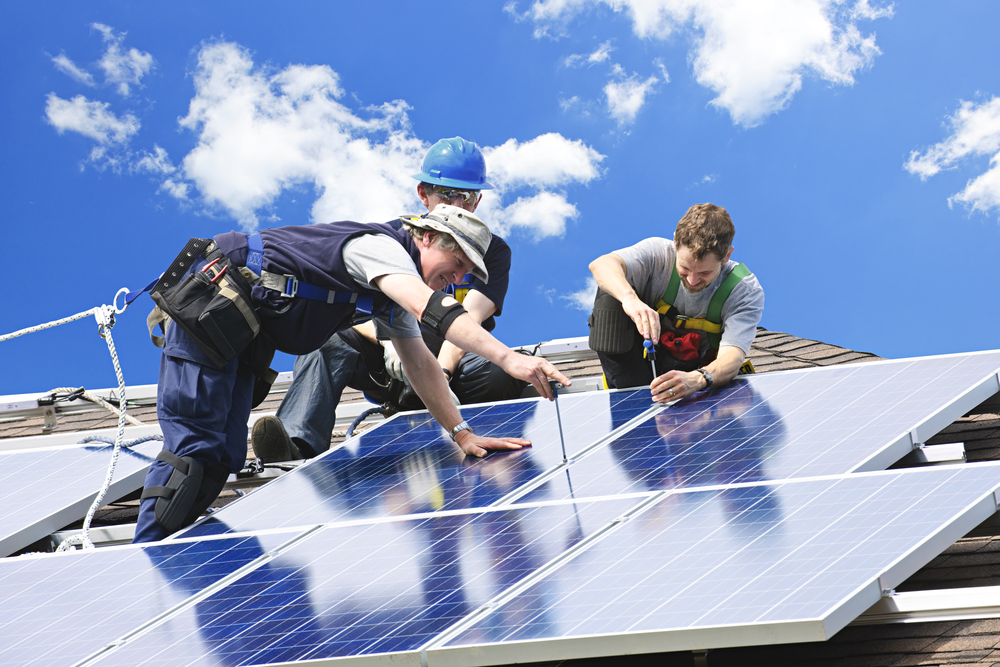
Solar power has become an increasingly popular choice among Arizona homeowners due to the state’s abundant sunlight. Once your solar system is installed, the job is far from over. Long term maintenance is essential to ensure your panels continue delivering strong, efficient, and reliable energy for many years. Although professional solar installers in Arizona set up your system for optimal initial performance, regular care afterward plays a crucial role in maximizing long term output. Arizona’s unique weather conditions bring intense sunlight, heavy dust, seasonal winds, and monsoon storms, all of which can affect solar panel efficiency if not properly managed.
This comprehensive guide explores the most important maintenance practices to help you protect your solar investment, improve energy production, and extend the lifespan of your system. Whether your panels were installed by solar installers in Arizona or purchased through a trusted solar panel dealer, consistent upkeep ensures you get the full value of your system year after year.
Know How Arizona’s Climate Affects Your Panels
Arizona’s climate is ideal for solar power generation, but it also brings challenges that require thoughtful maintenance. The desert environment is known for extreme heat, dust storms, and monsoon rains. Summer temperatures regularly exceed one hundred degrees, which can cause solar cells to operate less efficiently. Dust and sand settle on the panels, blocking sunlight and lowering energy output. Sudden monsoon winds can also introduce debris that accumulates on the roof or around panel mounts.
Understanding these climate conditions is the first step in building an effective maintenance routine. Regularly checking for dust buildup, monitoring performance during heat waves, and inspecting systems after storms will help you take action before small issues turn into larger problems.
Monitor Your System for Performance Changes
Once your solar panels are installed, monitoring becomes one of the most valuable ongoing tasks. Most systems allow homeowners to track energy production through an app or online dashboard. This data helps you understand how your system performs throughout the year and alerts you to unusual drops in output.
Check your energy production at least once a week. Look for trends rather than temporary fluctuations. If you notice a sudden or consistent decrease in production, it may indicate dirt buildup, shading issues, wiring problems, or inverter errors. Contact your solar installers in Arizona if you observe abnormal numbers or if the system sends you error notifications. Early detection saves energy, reduces repair costs, and prevents long term inefficiency.
Clean Your Solar Panels Regularly
Clean panels are efficient panels. Arizona’s dry climate means dust accumulates quickly, especially during windy seasons. Even a small layer of dirt can significantly reduce the amount of sunlight your panels absorb. Regular cleaning is one of the simplest and most effective maintenance steps you can perform.
The best time to clean panels is early morning or late evening when they are cool. Use a gentle stream of water to rinse off dust. For stubborn spots, a soft brush or microfiber cloth can help remove residue. Avoid using abrasive materials or harsh chemicals, as they may scratch or damage the panel surface.
Homeowners in high dust areas or rural outskirts may need to clean their panels more frequently than those in urban neighborhoods. Some prefer hiring professionals for safe rooftop cleaning, especially on steep or tiled roofs. A solar panel dealer or local solar installers in Arizona can recommend a cleaning schedule based on your environment.
Check for Shading Changes Throughout the Year
Shading is one of the most common issues affecting panel efficiency, especially over time. Trees grow taller, new structures may be built nearby, and seasonal shifts change how the sun moves across your property. Even a small patch of shade can lower production significantly.
Inspect the area around your panels every few months to identify potential shading sources. Trim tree branches that begin to cast shadows on the roof. Keep track of any new construction in neighboring homes that might block sunlight. If shading becomes unavoidable, discuss solutions with your solar installers in Arizona. Panel level optimization, microinverters, or system repositioning may help improve performance.
Inspect and Maintain the Inverter
Your inverter is the heart of the solar system. It converts the DC power your panels generate into usable AC electricity for your home. Because it works constantly, it requires more attention than the panels themselves.
Check the inverter display for any warning lights or error messages. Listen for unusual sounds and note any sudden drops in energy conversion. Clean around the inverter to ensure proper airflow, as extreme heat can affect performance. If you notice alerts or changes that you cannot troubleshoot, contact your solar installers in Arizona for assistance.
Inverters typically last about ten to fifteen years. If yours is nearing the end of its lifespan, upgrading may restore lost efficiency and enhance overall output. A reputable solar panel dealer can guide you in choosing the right replacement or upgraded model.
Prepare for Arizona’s Monsoon Season
Monsoon season brings heavy rain, strong winds, lightning, and dust storms. Preparing your solar panels before monsoon activity begins can prevent damage and reduce the need for repairs.
Before the season starts, inspect panel mounts, roof seals, and surrounding areas for loose hardware or weak spots. Ensure there is no debris trapped under the panels. After major storms, look for cracks, dirt buildup, or fallen branches. Monsoon rains sometimes clean panels naturally, but the dust before and after storms often requires manual cleaning.
Regular post storm inspections protect your system and help maintain maximum output during unpredictable seasonal weather.
Maintain Clear Roof Access and Panel Surroundings
Keeping the area around your solar installation clean and unobstructed is another important step in long term maintenance. Leaves, dirt, branches, and debris can collect around panel edges and mounts, restricting airflow or creating moisture pockets that may lead to corrosion.
Clear away any debris that accumulates on your roof. If birds frequently nest near your panels, consider installing harmless deterrents to keep them from leaving droppings or nesting materials on the array.
Maintaining a clean environment around the system not only improves panel efficiency but also prolongs the lifespan of the roof components supporting the installation.
Review Panel Mounts and Wiring Connections
Even though solar systems require minimal mechanical attention, periodic visual inspection is recommended. Strong winds, vibrating roof surfaces, and temperature changes can occasionally loosen mounts or shift wiring.
Look for exposed wires, loose clamps, or cracked conduit pipes. Check that mounts remain tight and free of rust. Never attempt electrical repairs yourself unless you are trained. If anything looks out of place, contact your solar installers in Arizona for a professional assessment.
A solar panel dealer can also help provide replacement components or mounting hardware if needed.
Schedule Professional Maintenance Annually
While many maintenance tasks can be performed on your own, annual professional maintenance ensures your system operates at peak performance. A trained technician can identify issues that homeowners might overlook, such as microcracks in panels, damaged wiring, grounding issues, or declining inverter efficiency.
Professional inspections also help maintain warranties provided by your solar panel dealer. Combine your own regular checks with yearly expert evaluations for the best long term results.
Consider Future Upgrades to Maintain High Efficiency
Solar technology evolves rapidly. Even if your system was efficient at installation, new technologies may further improve performance. Upgrades such as panel level monitoring, enhanced inverters, improved mounting systems, or additional panels can increase production.
If your energy needs increase over time or if your system ages, consult a solar panel dealer to explore upgrade options that align with your long term goals.
Maintaining your solar panels after installation is essential for maximizing energy production, extending system life, and protecting your investment. Arizona’s climate demands consistent care, from cleaning panels and monitoring performance to preparing for monsoon weather and maintaining proper airflow. Whether your system came from a local solar panel dealer or was installed by experienced solar installers in arizona, the long term success of your solar setup depends on regular attention and smart maintenance practices.
With the right approach and consistent upkeep, your solar system will continue generating clean, reliable energy for decades, helping you enjoy the full benefits of Arizona’s abundant sunshine.
