
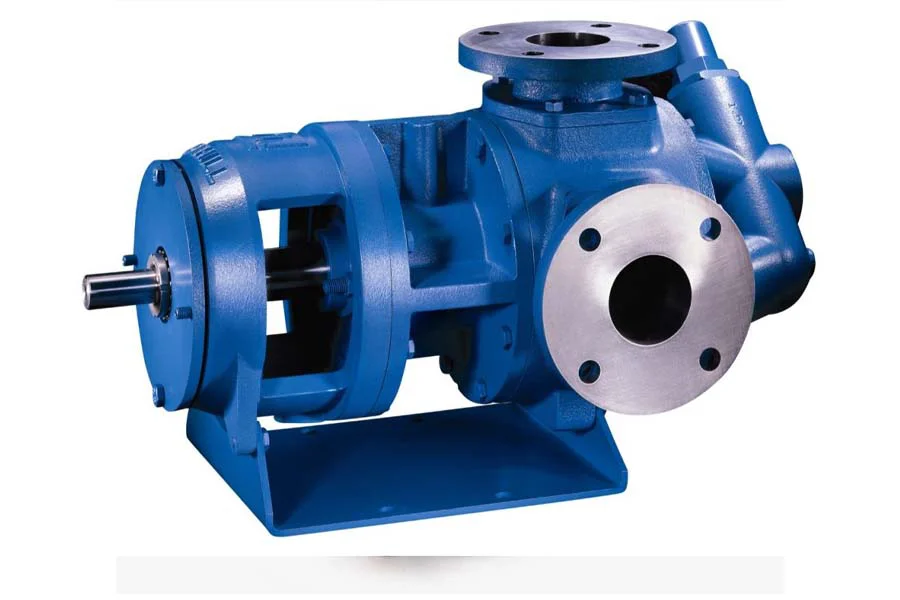
Rotary gear pumps are a critical component in many industrial operations, ensuring smooth fluid transfer and reliable system performance. Like any mechanical equipment, these pumps have a finite lifespan, but with proper care and maintenance, their operational life can be significantly extended. This guide offers a step-by-step approach to help industries and operators maximize the efficiency and longevity of rotary gear pumps.
Understanding Rotary Gear Pumps
Rotary gear pumps are positive displacement pumps that move fluids through the meshing of gears. Their precise design allows them to handle a variety of fluids, including viscous liquids, oils, and chemicals, making them indispensable in industries like chemical processing, lubrication systems, and manufacturing. Because they often operate under high pressure, even minor issues can lead to reduced efficiency or premature failure.
Step 1: Selecting the Right Pump for Your Application
The first step in extending the lifespan of a rotary gear pump is choosing the right pump for your specific application. Factors to consider include fluid type, temperature, viscosity, and pressure requirements. Selecting a pump that can handle the operational demands ensures that it will not be overstrained, which is a common cause of wear and tear.
Consulting with an experienced gear pump manufacturer can help identify the optimal pump type and size. A proper selection minimizes internal stress and promotes smoother operation, setting the foundation for long-term reliability.
Step 2: Installing the Pump Correctly
Improper installation is one of the most frequent reasons rotary gear pumps fail prematurely. Ensure the pump is mounted securely on a stable surface to reduce vibrations. Alignment of the pump shaft with the motor or driver is critical; even slight misalignment can lead to excessive bearing wear and gear damage.
Another important aspect of installation is ensuring that the suction and discharge lines are correctly sized and free of obstructions. Inadequate suction can cause cavitation, leading to pitting and erosion of the pump components.
Step 3: Using Proper Lubrication
Lubrication is the lifeblood of rotary gear pumps. The gears, bearings, and other moving parts require adequate lubrication to minimize friction and heat buildup. Using the correct type of lubricant for your pump and operating conditions is essential. Some pumps rely on the pumped fluid itself for lubrication, so understanding the fluid properties is key.
Regularly monitor lubricant levels and replace or top up as needed. Over-lubrication can be as harmful as under-lubrication, leading to leaks, foaming, or excess heat. Following the recommendations provided by the gear pump manufacturer ensures optimal performance and longevity.
Step 4: Regular Inspection and Monitoring
Routine inspections are vital to identifying potential issues before they escalate. Check for unusual noises, vibration, or heat, which can indicate misalignment, wear, or cavitation. Inspect seals, gaskets, and bearings for signs of leakage or deterioration.
Monitoring pump performance parameters, such as flow rate, pressure, and power consumption, provides insight into its health. Any deviation from normal operating conditions should be investigated promptly. Early detection of issues allows for timely corrective actions, preventing major damage.
Step 5: Cleaning and Flushing
Rotary gear pumps can accumulate debris or scale from the fluids they handle, which can interfere with gear meshing and damage internal surfaces. Regular cleaning and flushing of the pump and associated piping help prevent buildup.
For pumps handling corrosive or particulate-laden fluids, periodic inspection and cleaning are especially important. Using filters or strainers on the suction line can minimize the introduction of debris, further protecting the pump and extending its lifespan.
Step 6: Managing Temperature and Pressure
Operating rotary gear pumps within their specified temperature and pressure ranges is crucial for longevity. Excessive pressure can lead to gear and bearing fatigue, while extreme temperatures can affect material properties and lubrication effectiveness.
Install pressure relief valves and temperature sensors where applicable to maintain optimal operating conditions. Avoid running pumps dry, as this can cause immediate damage due to friction and overheating. Following manufacturer guidelines ensures that the pump operates within safe limits.
Step 7: Periodic Component Replacement
Even with meticulous maintenance, some components of rotary gear pumps are subject to wear and require periodic replacement. Gears, bearings, seals, and gaskets should be inspected regularly and replaced based on the manufacturer’s recommendations or when wear is detected.
Keeping a schedule for preventive maintenance not only prevents unexpected failures but also maintains pump efficiency. Using genuine or high-quality replacement parts from a reliable gear pump manufacturer ensures compatibility and durability.
Step 8: Proper Storage and Handling
If a rotary gear pump is not in continuous use, proper storage is critical to prevent corrosion and degradation. Clean the pump thoroughly and apply a protective coating or lubricant to internal components. Store in a dry, temperature-controlled environment to avoid moisture damage.
Handling during transport and installation should be careful to avoid physical damage. Even minor dents or scratches on gear surfaces can lead to premature wear and reduced efficiency.
Step 9: Operator Training and Awareness
A well-trained operator can significantly influence the lifespan of rotary gear pumps. Understanding how to start, operate, and shut down the pump correctly prevents operational errors that could cause damage.
Operators should be familiar with signs of potential issues, such as abnormal vibrations, unusual noises, or changes in flow rates. Prompt reporting and intervention prevent minor problems from turning into costly repairs.
Step 10: Establishing a Maintenance Schedule
A structured maintenance schedule is the backbone of long-term pump reliability. Document inspection routines, lubrication intervals, and component replacements. Consistency ensures that maintenance is not overlooked and allows for trend analysis to predict future issues.
Collaborating with a reputable gear pump manufacturer for maintenance guidelines provides industry best practices and technical insights tailored to your specific pump model.
Extending the lifespan of rotary gear pumps requires a holistic approach encompassing proper selection, installation, lubrication, monitoring, and maintenance. By following these ten steps, industries can ensure optimal performance, reduce downtime, and save on replacement costs. Consistency in care and attention to operational details transforms rotary gear pumps from simple mechanical devices into long-lasting, reliable workhorses of industrial processes.
Implementing these practices in collaboration with experienced gear pump manufacturers ensures that the pumps operate efficiently under demanding conditions, ultimately maximizing both performance and return on investment.
