
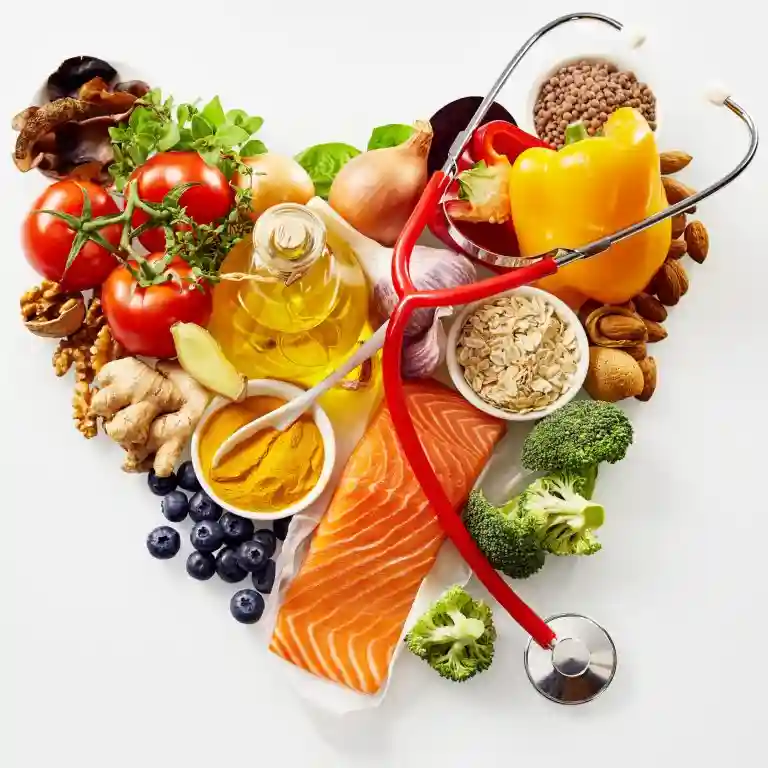
For decades, the mainstream conversation surrounding nutrition has been dominated by superficial metrics. People meticulously count calories, track macronutrient percentages, and step on scales to measure success. While these physical metrics have their place, they completely overlook the fundamental purpose of eating. Food is not merely fuel to burn or a mathematical equation to balance. It is a complex package of chemical information that communicates directly with your biology.
Every meal you consume triggers a cascade of physiological signals that either fortify or degrade your body at its most foundational level: the cell. Shifting your focus from how food affects your waistline to how it treats your cells can fundamentally transform your vitality. By changing your psychological and behavioral relationship with what you eat, you can optimize cellular function, reduce chronic inflammation, and slow the biological aging process.
Understanding the Basics of Cellular Health
Your body is comprised of tens of trillions of cells. Each one acts as a tiny, self-contained factory responsible for generating energy, repairing structural damage, and defending against pathogens. When your cells function optimally, you experience vibrant health, mental clarity, and stable energy. When your cells fall into disrepair, systemic decline begins, eventually manifesting as chronic disease and premature aging.
Two primary mechanisms dictate whether a cell thrives or suffers:
-
Mitochondrial Efficiency: Mitochondria are the powerhouses of the cell, converting nutrients into adenosine triphosphate, the fundamental energy currency of life. Poor dietary habits can cause mitochondria to sputter, leading to sluggishness and increased production of harmful waste products.
-
Oxidative Stress Management: Normal cellular processes create unstable molecules called free radicals. If left unchecked by antioxidants, these molecules damage cell membranes, proteins, and DNA, leading to a state of chronic, low-grade cellular inflammation.
Moving Beyond the Fuel Mentality
To cultivate a healthier internal environment, you must first reframe how you view food. When you look at food strictly as fuel, it is easy to justify eating highly processed, nutrient-void items just because they fit within a specific calorie budget. A chemically engineered diet soda and an avocado might contain vastly different calorie counts, but their messages to your cells are entirely contradictory.
Processed foods rich in refined sugars, industrial seed oils, and artificial preservatives send signals of distress. They cause rapid spikes in blood glucose, forcing the pancreas to flood the bloodstream with insulin. Over time, constant insulin surges exhaust cell receptors, leading to insulin resistance. When cells become resistant, they can no longer efficiently pull glucose inside to create energy, leaving the cell starving while excess sugar damages the surrounding blood vessels.
Conversely, whole, unprocessed foods supply the micronutrients, polyphenols, and essential fatty acids required to maintain structural integrity. For example, the lipids you consume are directly integrated into the fatty membranes that enclose every cell in your body. If you eat high-quality fats, your cell membranes remain fluid and receptive to nutrients. If you primarily consume trans fats and oxidized oils, those membranes become rigid and dysfunctional.
The Power of Mindful Consumption and Cellular Autophagy
Changing your relationship with food also means changing how and when you eat. Continuous grazing and late-night snacking keep the body in a constant state of digestion. When the digestive tract is working continuously, cellular resources are directed away from maintenance and repair.
By adopting a more disciplined, intentional approach to eating intervals, you can stimulate a biological process known as autophagy. Derived from the Greek words for self-eating, autophagy is the cellular cleaning mechanism. During periods when nutrients are scarce, such as between meals or during structured fasting, cells begin to clear away damaged proteins, recycled components, and malfunctioning mitochondria.
This process acts like an automated waste management system. It breaks down the old, dysfunctional parts of the cell and uses the raw materials to build fresh, highly efficient components. If you never give your body a break from eating, this internal cleaning crew never gets the signal to start working, allowing cellular debris to accumulate over time.
Shifting Focus from Restriction to Nourishment
Traditional dieting relies heavily on restriction, deprivation, and willpower. This mindset often induces a chronic stress response, causing the adrenal glands to release excess cortisol. Cortisol elevates blood sugar levels and increases systemic inflammation, directly sabotaging the cellular benefits you are trying to achieve through dieting.
When you transition to a mindset of nourishment, the entire dynamic changes. Instead of asking what you need to eliminate, you begin asking what you can add to support cellular function. This positive approach promotes chemical diversity and resilience:
-
Incorporate Dense Antioxidants: Brightly colored vegetables and fruits contain unique phytochemicals that neutralize free radicals, protecting cellular DNA from mutations.
-
Prioritize Mitochondrial Co-Factors: Foods rich in B-vitamins, magnesium, and sulfur support the complex chemical cycles within the mitochondria, maximizing energy production without creating excess oxidative stress.
-
Support the Gut Microbiome: A diverse intake of dietary fiber feeds beneficial gut bacteria, which in turn produce short-chain fatty acids. These compounds travel through the bloodstream, acting as potent signaling molecules that soothe cellular inflammation throughout the entire body.
The Long-Term Rewards of the Cellular Shift
Focusing on cellular health changes how you track progress. Instead of relying solely on a scale or clothing size, you begin to gauge success by how you feel from the inside out. Signs of improving cellular vitality include waking up feeling genuinely refreshed, experiencing sustained mental focus without mid-afternoon energy crashes, and recovering more quickly from physical exertion or minor illnesses.
By treating food as biological information, you align your daily habits with your evolutionary design. Your cells are fully capable of maintaining health and vitality well into your later years, provided they are given the correct materials and regular opportunities to clean house. Changing your perspective on eating from a chore of restriction to an act of deep biological care is the ultimate catalyst for long-term health.
Frequently Asked Questions
What exact biological signals do processed foods send to our cells?
Processed foods high in refined sugars and additives trigger cellular stress pathways. When a surge of sugar hits the bloodstream, it forces cells to process energy too quickly, overloading the mitochondria. This overload causes the mitochondria to leak reactive oxygen species, which damage the cell from the inside. Additionally, advanced glycation end-products found in highly processed items bind to cellular receptors, activating inflammatory genes that alter long-term cell behavior.
How long does it take for a change in diet to reflect in cellular health?
While some biochemical changes occur within hours of consuming a nutrient-dense meal, systemic structural transformation takes time. Red blood cells turn over roughly every 120 days, while skin cells replace themselves every few weeks. You can expect measurable improvements in mitochondrial efficiency and a reduction in systemic inflammation markers within three to six months of a consistent dietary shift.
Can cellular damage from years of poor eating habits be reversed?
Yes, to a remarkable degree. Thanks to cellular turnover and the process of autophagy, the body is constantly working to repair itself when given the right conditions. While severe, long-term damage can lead to permanent scarring or mutations in certain tissues, adopting a nutrient-dense diet combined with intentional eating windows can clear out decades of accumulated cellular debris and restore youthful function to surviving cells.
How does chronic emotional stress affect how cells process nutrients?
When you are chronically stressed, your body shifts into a sympathetic state, releasing hormones like cortisol and adrenaline. This state alters blood flow, diverting resources away from the digestive tract and deep cellular repair. It also increases cellular insulin resistance, meaning that even if you eat a perfectly healthy meal, your cells struggle to absorb and utilize those nutrients efficiently because the stress signaling blocks the cellular gateways.
What is the connection between cellular health and the biological aging process?
Biological aging is driven by the gradual accumulation of cellular damage. As cells divide over time, their telomeres shorten, and they eventually enter a state of senescence where they no longer function but refuse to die, secreting inflammatory chemicals that damage neighboring cells. By protecting cellular integrity, optimizing mitochondrial output, and encouraging autophagy through proper nutrition, you slow down this accumulation of damage, keeping your biological age lower than your chronological age.
How does hydration influence cellular communication and nutrient transport?
Water is the primary medium for all cellular activity. It forms the structure of the fluid inside and outside the cell membrane, allowing electrolytes and nutrients to pass through specialized cellular channels. Dehydration causes cells to shrink, which disrupts the delicate balance of minerals required to generate electrical impulses and chemical signals. Chronic mild dehydration impairs cellular waste removal, allowing toxins to pool inside the cell.
Why is dietary diversity so critical for cellular defense mechanisms?
No single food contains all the defensive compounds your cells require. Different plants produce different phytochemicals to protect themselves from environmental threats, and these compounds translate to health benefits when consumed by humans. For example, sulforaphane from cruciferous vegetables activates internal cellular antioxidant production, while anthocyanins from berries protect brain cells from oxidative stress. Eating a wide variety of foods ensures all cellular defense pathways are fully supported.
